







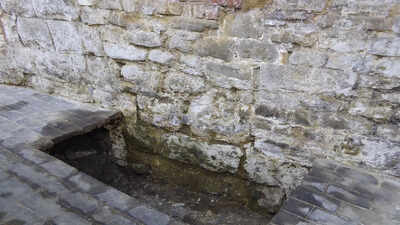

Gloucester is a place where history walks around in plain sight, in its imposing cathedral and historic docks. However, as it has now become apparent, some of its most poignant tales have been buried below the linoleum floor of an abandoned department store. In the process of transforming the old Debenhams’ site into the new City Campus of the University of Gloucestershire, some fascinating archaeological discoveries were made.A straightforward construction job soon turned out to be one of the most important excavations carried out in an urban setting in a very long time. Beneath this shopping centre lies a huge cemetery consisting of 317 skeletal remains, as well as 83 brick-vaulted burial chambers. It’s a chilling reminder that many of our present-day cities were literally erected on sites considered sacred by earlier generations.Excavation is more than an object search; rather, it is an exploration through time. The soil beneath City Campus has witnessed the growth of Gloucester for the past one thousand years. Future students who will study at this campus will be thrilled to walk not only on wooden flooring but also on flooring that carries with it historical importance.St. Aldate’s church mysteryThe centrepiece of this excavation is none other than the long-lost St Aldate’s Church. At the same time, it was already known to scholars that the church had been there, but what exactly its location and dimensions were remained a puzzle for many years. The excavation process has finally uncovered the truth. It turns out that the original medieval church, which was destroyed around the mid-1650s due to damage incurred during the English Civil War, was situated differently from the 18th-century parish church.According to a report from the excavation team at Cotswold Archaeology, titled Archaeology at Debenham’s, the discovery of a surviving limestone wall with original lime plaster confirmed that the medieval church was located further south than previously believed. This find didn’t just uncover a building; it corrected the historical record. Archaeologists also recovered beautiful fragments of worked stone, including a mid-14th-century window arch, which gives us a rare glimpse into the architectural style of a building that hasn’t been seen in centuries. No less amazing is the scale of these burials. While researchers found roughly 150 burials dating to the post-medieval times at the site, excavations unearthed an additional 170 medieval burials. As such, one can safely assume that the site served as a hub for both religious practices and the community’s rituals of grieving for a longer period of time than anyone could have guessed before. Meanwhile, the 83 brick vaults serve as another illustration of the changes occurring on the site over the years to come as part of local society’s ongoing efforts to modify the sacred space.
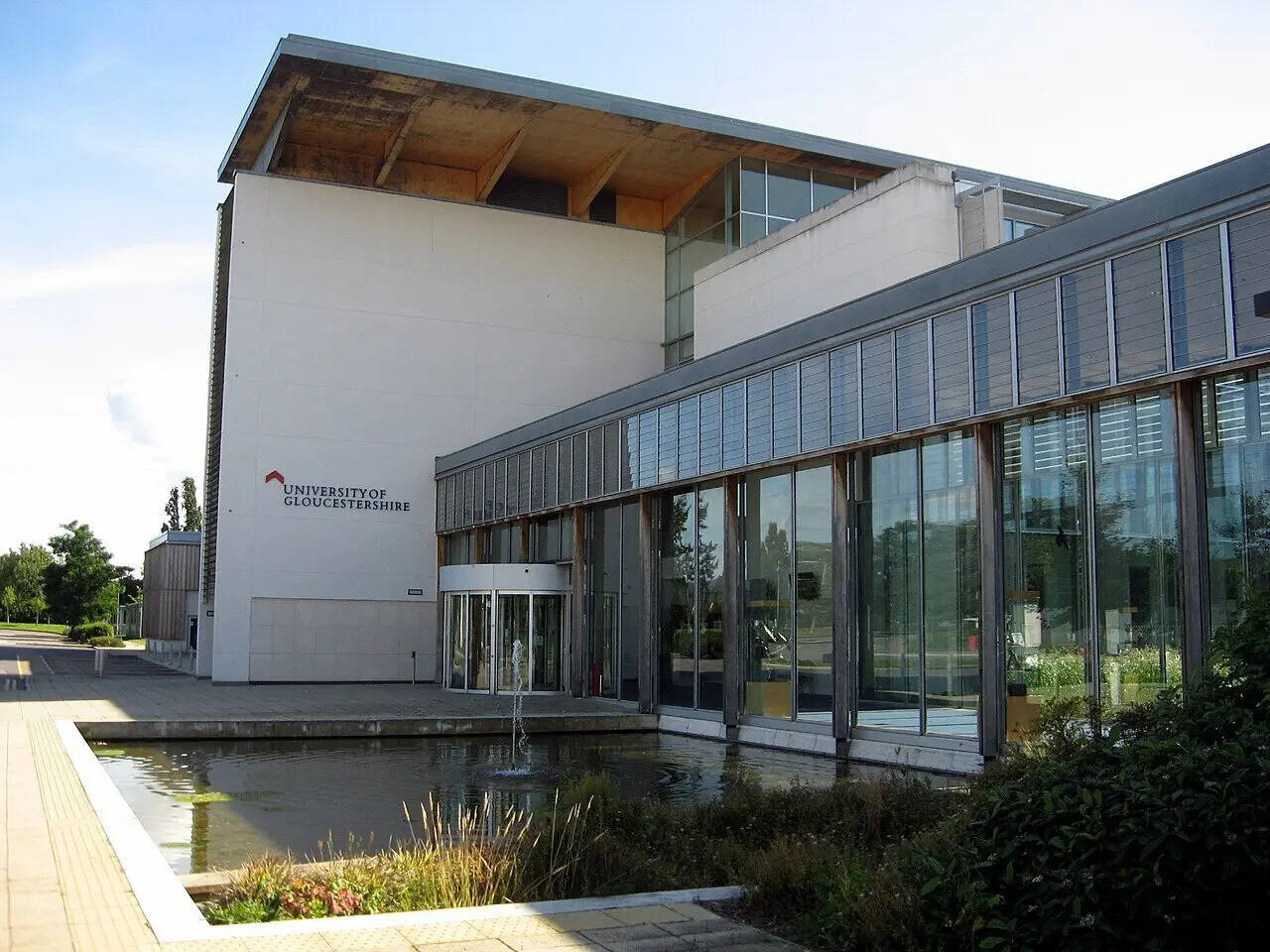
In the process of transforming the old Debenhams’ site into the new City Campus of the University of Gloucestershire, some fascinating archaeological discoveries were made. Image Credits: Wikimedia Commons
A multilayered history beginning in RomeWhile the layers above gave us a glimpse into life in Gloucester during different periods of time, excavations revealed that the site has an even more complex history. Beneath the church itself as well as its cemetery, researchers discovered signs of the city’s Roman origin.An update from the university details how these Roman layers add a third dimension to the project. It means that the same piece of land has been used for Roman civic life, medieval worship, and modern retail. This layering of history is common in old European cities, but rarely do we see such a clear and well-preserved “stack” of centuries in a single city block.The bones themselves have since been subjected to scientific testing, with initial results giving “clues about lifestyles of the past”. In particular, there was a discernible deterioration in dental condition starting from the 16th century. This was likely a result of the availability of sugar to the population in general at this time.As for the university project, it proceeds as planned, but the artefacts and human remains receive utmost respect and reverence. This discovery has made the simple task of expanding a campus a historical project concerning diet, life expectancy, and other aspects of life over a thousand years. The City Campus is an example that the most common place could sometimes hide the greatest mystery of all.