Frozen foods have become a staple in American cuisine today. The supermarkets are filled with frozen vegetables, fish, ready-to-eat products, and desserts. Nonetheless, the whole history of the frozen food industry goes way back to a simple observation in the Arctic in the 1920s.Clarence Birdseye was an American inventor and businessman who happened to notice that fish frozen under the influence of severe Arctic cold lost little of their properties. Most importantly, however, the fish, once defrosted, still had a fresh taste and texture.Thus was born a new concept of food preservation. As reported by the American Chemical Society, Clarence discovered that instant freezing ensured much better preservation of foods than the slow method of freezing common at that period.The Arctic observation behind it allHowever, the idea of freezing was not developed in a lab. On the contrary, it all began with a simple observation in the Arctic, when the inventor watched the process of fishing there. The fish was frozen instantly due to the severe cold and winds there. Moreover, it turned out to remain edible after being defrosted.That particular fact drew the attention of Birdseye, since slowly frozen foods usually ended up losing their texture and quality once they were thawed.According to the American Chemical Society, the key to understanding what made rapidly frozen foods different from those frozen slowly was not necessarily temperature but speed. This fact led him to a more general conclusion that rapid freezing is natural enough to be achieved by mechanical means in different places apart from the Arctic.Why rapid freezing improved food qualityThis conclusion made by Birdseye coincided with the explanation scientists would provide later concerning the way ice crystals form in food. Various studies state that fast freezing results in smaller ice crystals in food, causing less damage when the food is thawed. While slow freezing leads to large ice crystals that destroy cells in the food, resulting in mushiness or a liquid state of the product once it is thawed. Fast freezing prevents that from happening.Though Birdseye did not necessarily use such terminology at first, his observation helped him realise it. And that was the major breakthrough. People were aware that cold temperatures could preserve food items. It was Birdseye who saw that freezing quickly could maintain quality better.
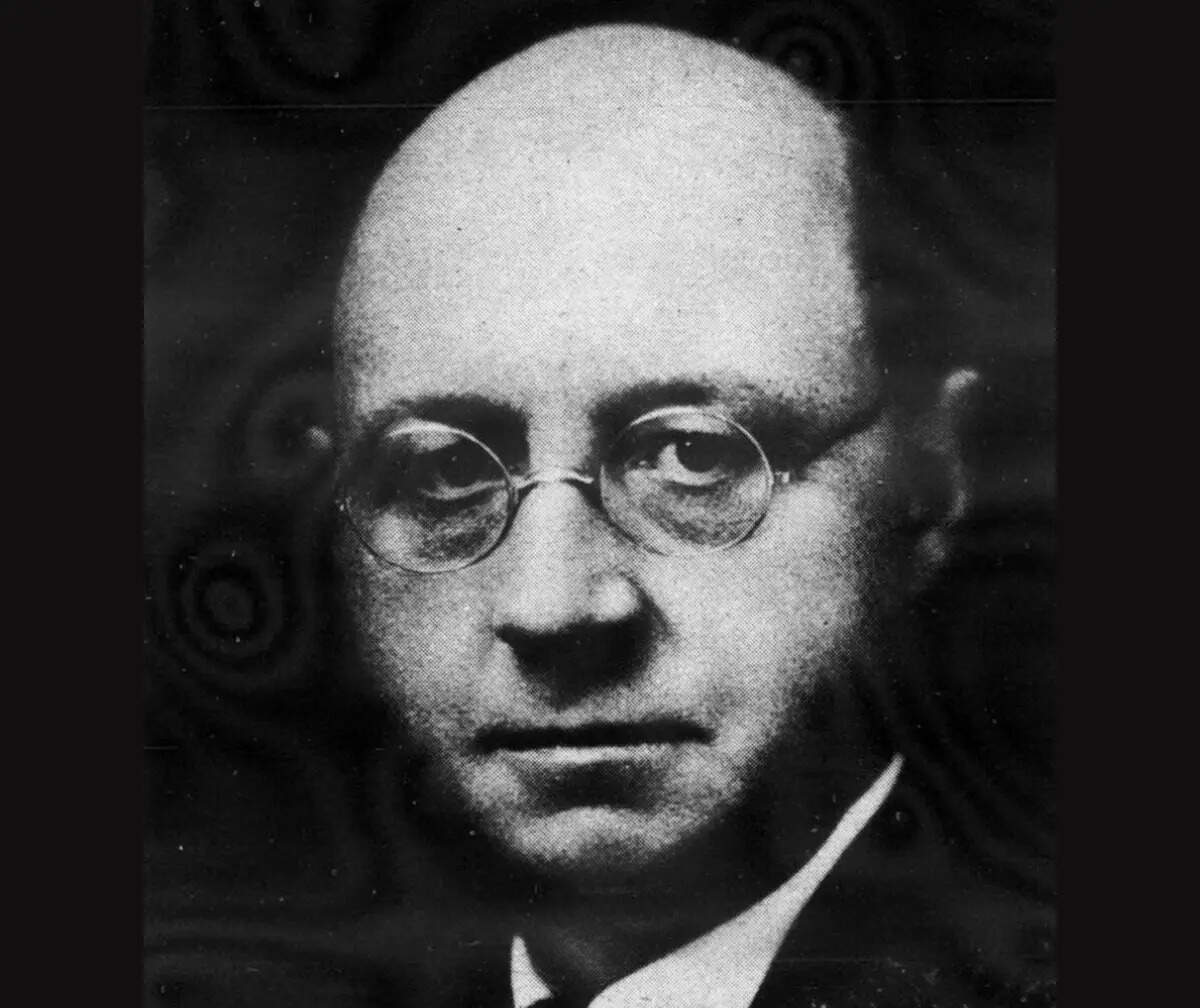
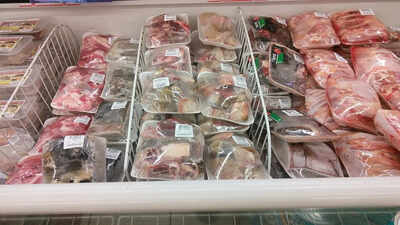
Check out what built the modern frozen food business. Image credit – Wikimedia
Observation to the invention of freezing foodThe key task for Birdseye was replicating the Arctic climate artificially. According to the Lemelson program at MIT, Birdseye went on to devise machines that would use rapid freezing combined with pressure in order to preserve fish, vegetables, and meat products.This step turned the idea from an observation into an industrial application. Through his inventions, Birdseye managed to patent the process of quick freezing food and its efficient packaging to enable its transportation and sale. This invention became relevant as it made long-distance transportation possible while retaining quality. No longer was the frozen food to be regarded as something to be used as last-resort items.How frozen food products influenced US familiesBirdseye’s inventions came along at a time when transportation and refrigeration networks were developing all around the country. With the increase in frozen food technology, it was now possible for grocery stores to have products that could stay longer and remain usable and appealing at the same time.Birdseye’s freezing process contributed greatly to the development of the frozen food culture in America. Its effects were not limited to just fish. Faster freezing techniques would eventually allow vegetables, meat, milk, and seafood products to be preserved all across the nation. Individuals would purchase food in advance, prevent wastage, and even get different products irrespective of the time of the year. This process slowly changed food production and purchasing habits altogether.Clarence Birdseye’s story shows how innovations start from simple observationsHe did not create refrigeration. Instead, he just saw what others were missing. The frozen food industry was successful because Birdseye made an observation in the Arctic that could be reproduced industrially.Various studies refer to his contribution as a milestone in food preservation history since it enhanced the quality and storage of food. While today’s frozen food sections might appear mundane, their origins date back to an inventor observing the freezing of fish in Arctic winds about a century ago. It marked a pivotal shift in how food could be stored, transported, marketed, and consumed.