








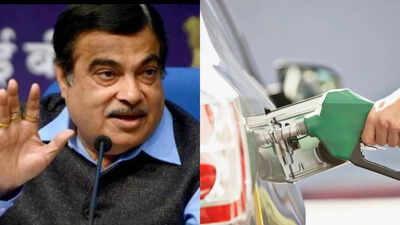
NEW DELHI: Congress on Wednesday alleged that the Centre’s push for E20 petrol has increased fuel costs for consumers while primarily benefiting ethanol producers, claiming that motorists are paying more despite assurances of cheaper fuel.Congress leader Jairam Ramesh said that since March 2025, regular fuel stations across the country have been supplying “practically only E20 petrol”. ‘Low mileage due to E20, consumer paying moreReferring to earlier statements by Union road transport and highways minister Nitin Gadkari, he said the government had claimed ethanol blending would bring the price of diesel down to Rs 50 per litre and provide a petrol alternative at Rs 55 per litre, but no such reduction had materialised.He further alleged that consumers are paying more due to the lower mileage of ethanol-blended fuel.“On the contrary, according to an independent analysis, between April 2023 and March 2026, consumers collectively spent an additional approximately ₹88,234 crore to compensate for the lower mileage from ethanol-blended fuel,” he wrote in X post.
Share your thoughts in the comments
Be respectful · TOI community guidelines
‘Govt approved subsidy for ethanol producers’He further claimed that the Centre could have reduced the retail price of E20 petrol to offset the lower fuel efficiency and noted that the NITI Aayog’s Ethanol Roadmap had recommended financial and tax incentives for E10 and E20 fuels to compensate consumers.Instead, the Congress leader alleged, the government approved subsidies of more than Rs 4,000 crore for ethanol producers, shifting the benefits of the programme towards industry rather than consumers.“E20 has stripped the average middle-class Indian of options, imposed higher fuel costs on them, and placed an extra burden on the very vehicle they saved for years to buy. If any segment has benefited the most from E20, it is the ethanol producers,” Ramesh said.However, the Centre has maintained that ethanol blending helps reduce India’s dependence on imported crude oil, and supports farmers by creating demand.